
What art form really contributes to the development of dark science fiction nowadays? Does it came from George Orwell’s dystopian epic of informational facism depicted in his book, 1984? Or does it came from a phillosopical idea that circulates around the judgement day and the deteriorating nature of mankind? Or perhaps, is it possible, that the biggest influence for dystopian cinema of all time came from an unsuccessful box-office hit in the late 80s?
Yes. From my own humble opinion, the unsuccessful box-office that was lame on ticket sales changed the game in 1982, when Ridley Scott confidently screened his magnum opus, his best work: Blade Runner.

Dystopian environment that is filled with steamed flying cars, dark colored buildings with neon advertising to contrast the view, and augmented apparels that resembles a truly futuristic advanced-yet-poor fate of mankind prevailed to stick a big statement and role model for future films: that Blade Runner is a beautifully crafted story of how mankind face the questions of life itself.

33 years later, a critically acclaimed French director Denis Villeneuve took a major step in the wave of dystopian cinema: he was appointed to direct the sequel of the original Blade Runner, that goes by the name Blade Runner 2049. Fans of the original film pissed themselves on their pants. It was a truly dream come true.

Yet, as we see it now at the end of 2017 – Blade Runner 2049 didn’t make much in the box office. It can be said that it flopped ridiculously. Critics and filmmakers are bedazzled by the behavior of movie goers, that a film as glorious as Blade Runner 2049 did not go steady with the market.
On the other hand, the new film by Warner Bros – Justice League – flourished in the box office (even though Marvel still wins big on quiet a margin) and makes the executive and studios fairly content.
One twitter account – in which I randomly stumble upon reading the reviews of the general cinema in Twitter – expressed his distress. He said that while the concept artist worked years to reach the perfect CGI for Blade Runner 2049, all the money goes to Justice League with its mediocre and tiring CGI. I would say the same thing. It is such a great pity.
Not many people truly appreciates a science fiction film by the components of the makes: directors, cinematographers, and concept artist who truly contributes to the greatness of the film itself. As mentioned, I am here to focus on the concept artists: the people behind the magic of an alternate reality, a whole new world to discover, that can move us beyond our own wildest imagination.
There is an artist out there, goes by the name of Paul Chadeisson who contributes to the general public to disclose his work for Blade Runner 2049. He crafted the background tone and general idea that drives other concept artists in the film in order to easily move from one scene to another. The work that he disclosed is called Blade Runner 2022, one title of a series of short films prior to the big feature film of Blade Runner 2049. The film depicts the start of the rebellion by the Replicants – a human-like android that helps the government – who feels that they are being hunted down to be exterminated. This is where the part of Blade Runner comes in. In short, Blade Runner is a division in the government agency that hunts down rogue Replicants – and the people who hunts down the replicants is also called Blade Runner.

The short film is directed by Sinichiro Watanabe, the famous creator of Cowboy Bebop and Samurai Champloo. From my own opinion, it is one of the best fan service Warner Bros had ever publish to create hype and excitement of an upcoming film. On the plus side: the short film score is composed by no other than Flying Lotus – the infamous producer of experimental multi-genre music.
Here is the short film. Please do, enjoy this great art.
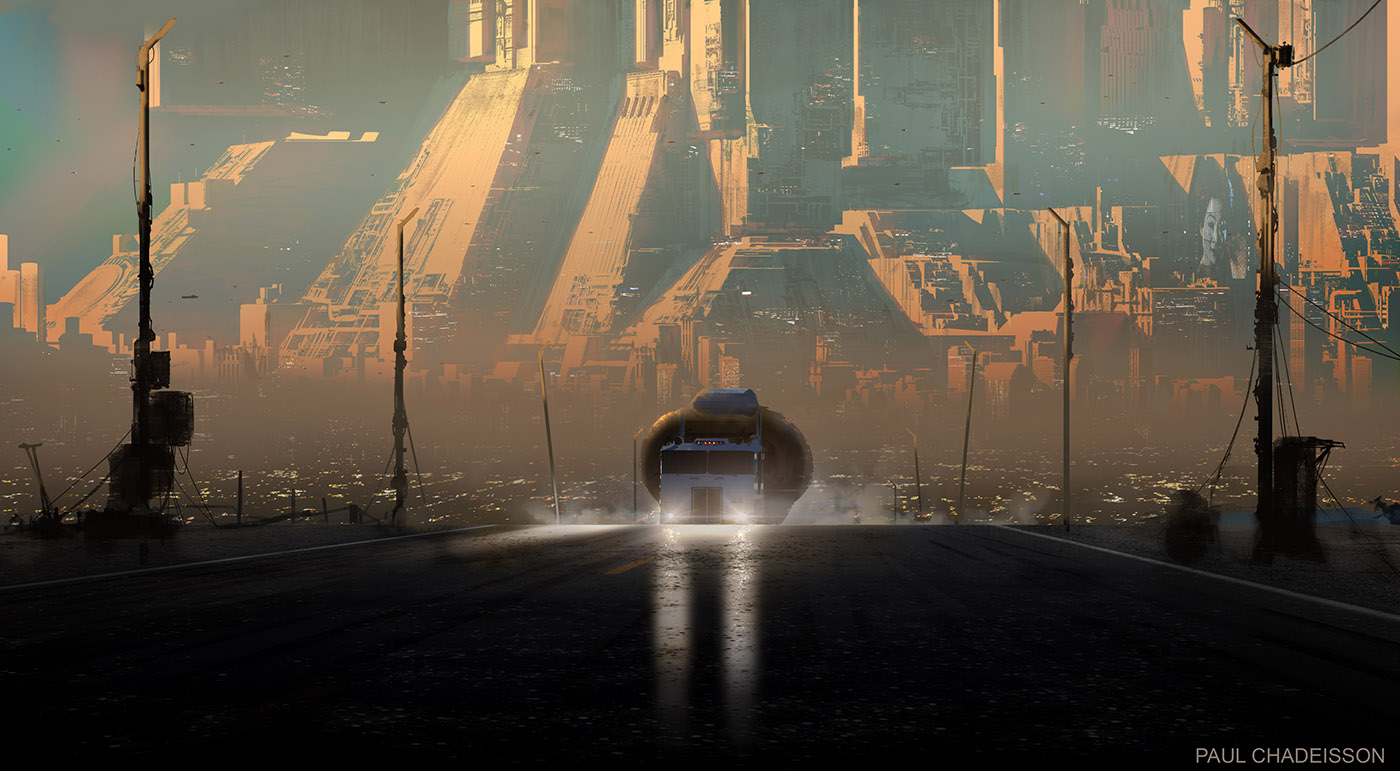
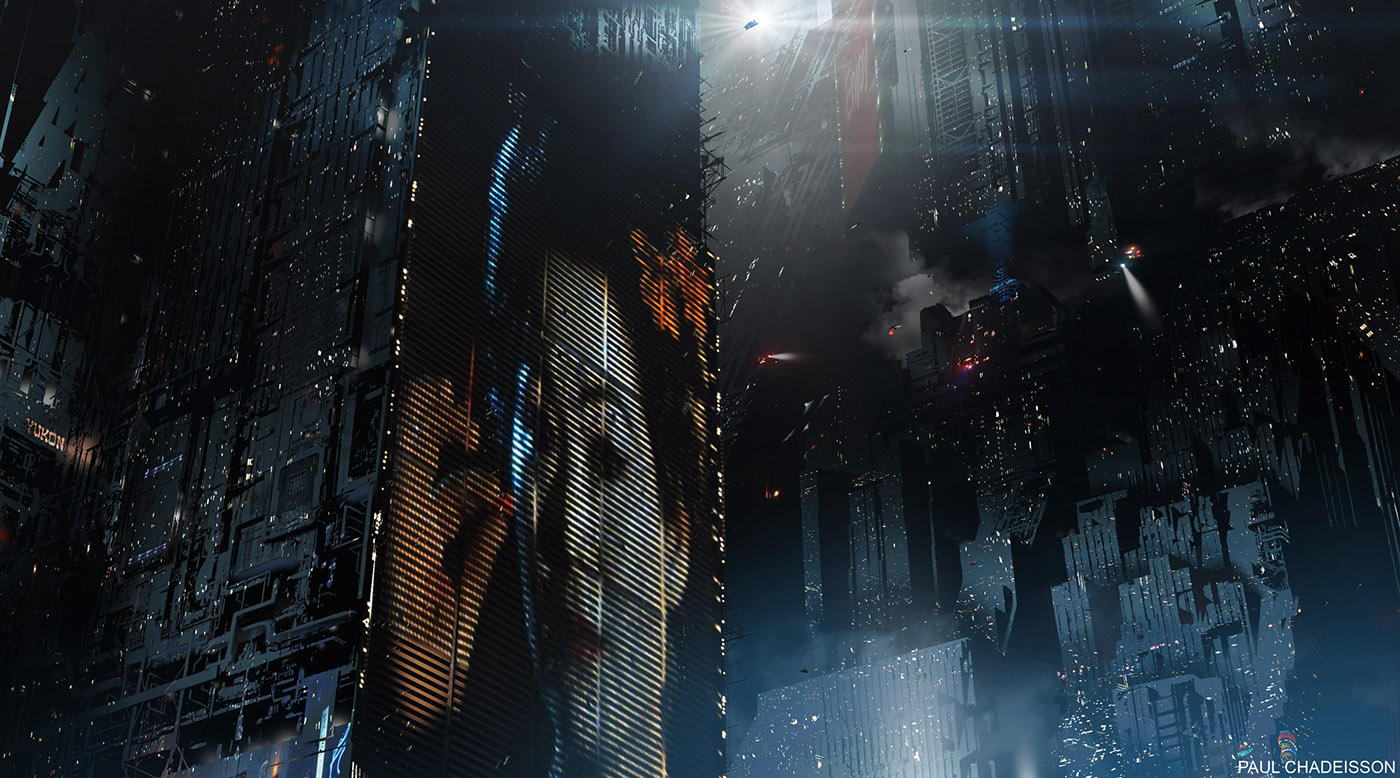

Credits to Paul Chadeisson: https://www.behance.net/gallery/57246869/Blade-Runner-2049-2022-Blackout